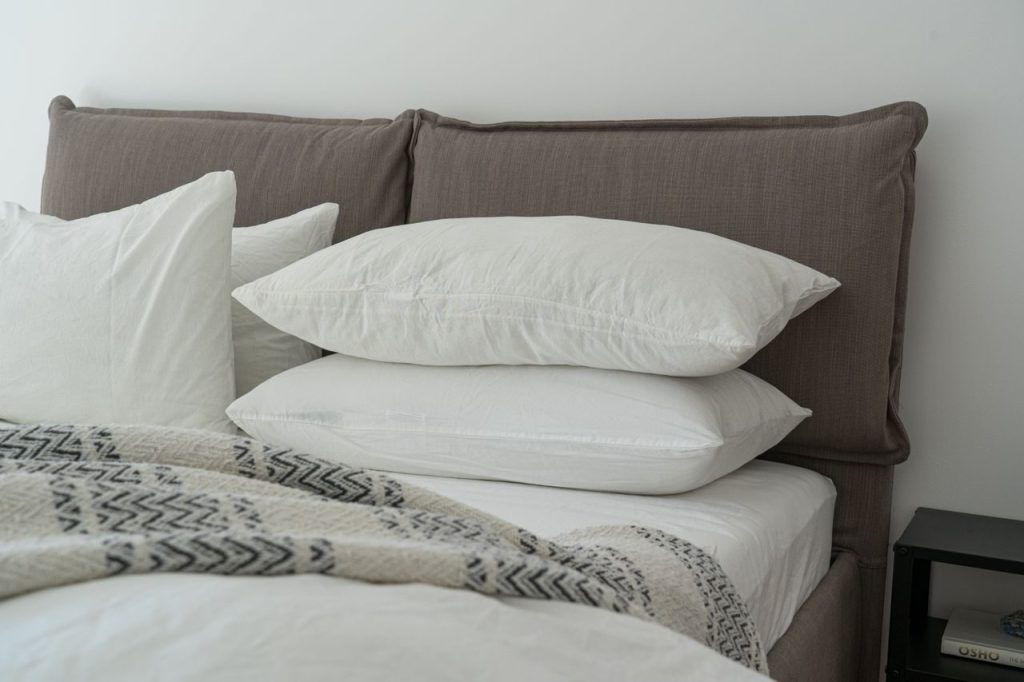

Measure the surface you will cover
Record the length and width of the adult mattress in the units used by the seller, then measure the depth relevant to the intended sheet. Include permitted components that the sheet is meant to cover, such as a compatible topper where applicable. Keep those measurements together rather than shopping from a remembered bed-size name. A familiar label can conceal differences between markets, ranges and the actual setup in your room.
Do not use sheet tension to make an unsuitable mattress or base arrangement appear secure. Fit is a bedding question, not a repair or structural assessment. Keep adult advice separate from infant sleep spaces; a cot needs its own specific safer-sleep guidance and appropriate products. This guide concerns measuring an adult arrangement whose underlying compatibility and condition have already been addressed through the relevant product information.
Read fitted depth precisely
Look for the candidate’s stated fitting dimensions, including depth, and check what the provider means by standard or deep. Those words should not replace the exact measurements. The John Lewis bed-linen guide illustrates how a retailer publishes its own depth and size information. Read that as a model for checking the actual range, not a universal chart to apply to every fitted sheet sold elsewhere.

Keep the product reference and ask about missing or ambiguous dimensions before ordering. A photograph cannot show how elastic, corners and fabric allowance will work on your particular setup. Do not assume that choosing the deepest available option is always the right answer. The aim is the fit described by the provider for the actual measurements, not a larger number selected to cover uncertainty that a clear question could resolve.
Check the effect of other layers
If the bed includes a protector or another permitted component, understand which surface the sheet will cover and measure the complete arrangement accordingly. A new topper can change the relevant depth even when mattress length and width remain unchanged. Keep compatibility and care instructions for those components visible. Do not add layers merely to make an existing sheet fit or compress them into place as though tension establishes that the setup is appropriate.
Consider how the sheet will be put on and removed during ordinary laundry. A fit that requires awkward lifting or forceful stretching may be inconvenient for the adults doing the task. If access or lifting is difficult, choose an appropriate product and seek relevant help rather than attempting a manual-handling technique from a general article. The practical routine includes changing the bed, not just the finished appearance once every corner has been pulled into place.

Read fabric and care details
Check the fibre information, construction description and care label alongside dimensions. A sheet’s material name does not establish every washing or drying permission, and a high headline number does not replace the rest of the specification. Compare what you can actually maintain with your equipment and space. Avoid buying for an assumed hygiene benefit or a promise that a particular fabric guarantees better sleep without appropriate support for the claim.
Keep current return conditions in view and check fit in the manner permitted by the seller before any use that changes those conditions. Do not assume every provider treats washing, opening and home use in the same way. Save the relevant information with the order. A clear process prevents a practical size mismatch from becoming more difficult simply because the purchaser relied on a general expectation rather than reading the exact terms.
Keep a reusable measurement note
Once an appropriate fit is established, retain the actual bed and component measurements with the product reference. Recheck when the mattress, topper or protector changes rather than ordering by the old label automatically. If several beds are maintained, identify the note clearly without sharing unnecessary household details publicly. A modest record can make future laundry and restocking easier than trying to distinguish similar folded sheets only by memory.
Good sheet shopping is a fit assessment, not a competition over the largest dimensions or the tightest finish. Start with the complete adult arrangement, read the exact candidate’s information and include the practical changing routine. That makes length, width and depth useful together, while preserving the boundary between ordinary bedding fit and questions about structural suitability, health or infant sleep that a sheet cannot answer.