Make a small usable inventory
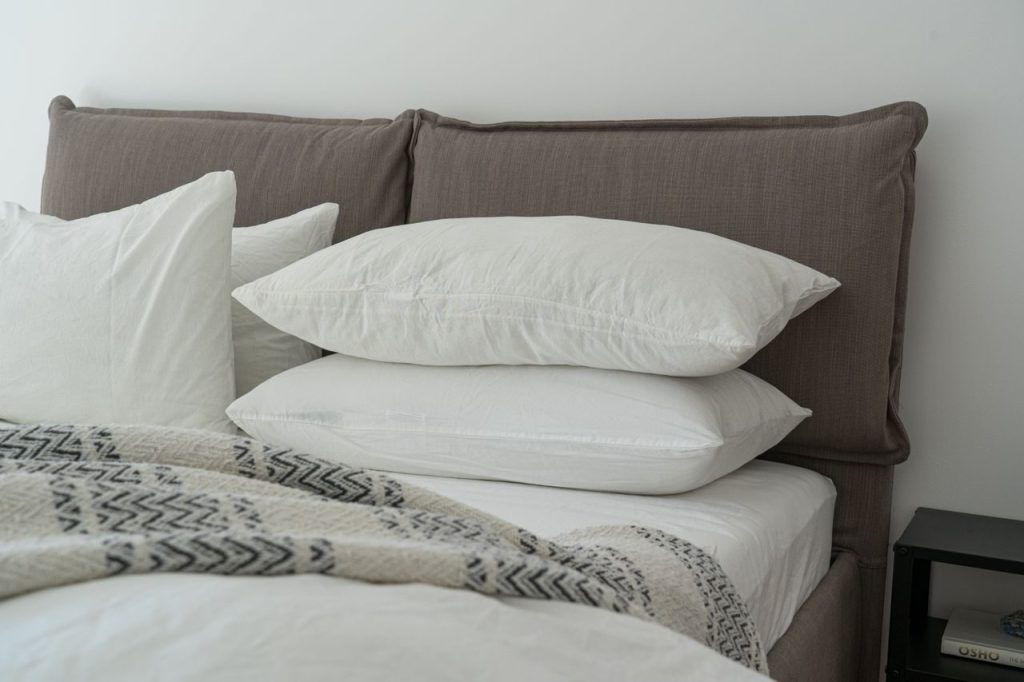
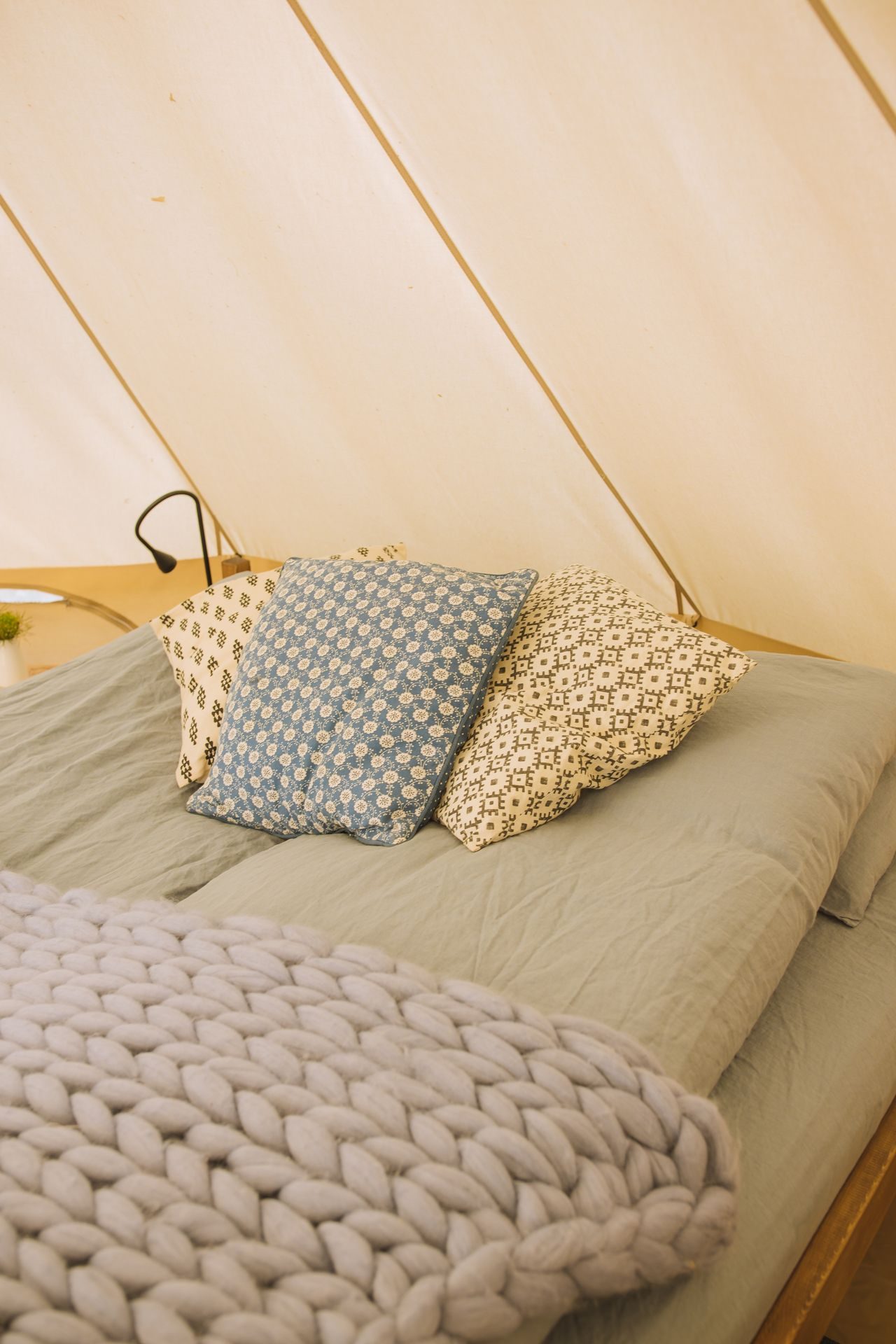
List the adult bedding actually used, recording dimensions and the bed or purpose each item serves. Separate everyday pieces, appropriate spares and items whose condition needs advice. A folded cupboard can conceal several duplicates while one useful size is missing. The inventory does not need photographs of the entire home or an elaborate spreadsheet. A plain list makes the next purchase question clearer than browsing complete coordinated sets without knowing what the household already has.
Keep infant bedding and safer-sleep questions separate rather than folding them into the adult collection. For adult items, note practical care information where it differs between similar-looking products. This can reveal a routine problem without creating a shopping need: a suitable spare may already exist but be difficult to identify or stored behind unrelated pieces. Improving access can be more useful than buying another item to solve a problem caused mainly by organisation.
Name the gap before the product
Write the task a purchase should address. It might be a fitted sheet matching a confirmed depth, a replacement for an item whose condition has been assessed or an appropriate spare while another piece is maintained. Keep a decorative preference separate from a claim that the purchase is necessary for health. A clear brief prevents an advertisement for more layers from redefining the household’s actual need simply because the staged bed looks complete.
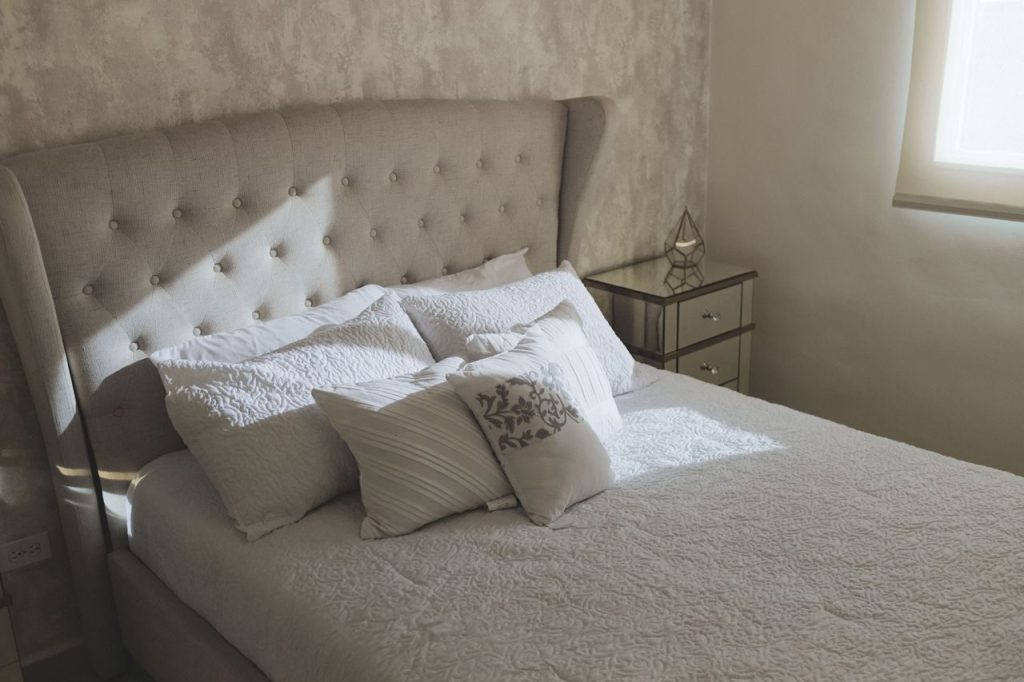
Do not use an arbitrary replacement interval as the only reason to discard an item or assume age alone proves a problem absent. Consider the actual condition, maker’s guidance and practical suitability. If damage, persistent contamination or another concern is unclear, seek appropriate advice rather than covering it with a new layer. Buying an accessory does not establish that the underlying item or room condition is resolved.
Check dimensions and compatibility
Measure the actual adult arrangement, including permitted components that affect fit. Use the candidate’s stated dimensions and instructions rather than relying only on a size name. A new mattress depth can alter sheet or protector requirements without creating a need to replace every cover in the cupboard. Compare each proposed item with a specific role, so one change does not automatically become a large coordinated purchase whose extra pieces duplicate work already covered.
Keep the complete setup manageable for the adults using it, including access, laundry and storage. Do not improvise structural modifications or compress uncertain layers to make a product fit. Health concerns such as persistent pain or significant sleep difficulty follow their own qualified assessment route. The purchase list can address ordinary product needs while preserving the distinction between a practical bedding decision and an individual medical explanation it cannot supply.

Include the care workload
Read care and drying requirements before adding a bulky item. Compare them with available equipment, space and the ordinary household schedule. A product can be attractive yet create a maintenance problem if its instructions cannot be followed conveniently at home. Keep costs for any required service current and verified instead of assuming an unspecified laundry option will always be easy to arrange. A manageable collection is one the household can maintain, not merely store when everything is folded perfectly.
Plan where a clean ready item will live and how it can be retrieved comfortably. If the cupboard is already difficult to use, consider duplicate roles before buying another organiser or seasonal layer. Do not use fragrance or an improvised chemical routine to make an uncertain storage condition appear solved. Persistent room or health concerns need appropriate expertise rather than a new purchase expected to make the underlying question disappear.
Buy only the useful addition
Compare a short list with the existing suitable option and the possibility of no purchase. Read current costs and terms for the actual item, keeping specifications and personal preferences separate. A set can be useful, but count the components you genuinely need rather than accepting its piece total as value by itself. Extra covers, pillows or layers require their own care and space even when their individual price appears small within a bundle.
After buying, keep the product reference and care instructions accessible and update the inventory only where it helps future use. There is no need to build a permanently complete collection or assume more bedding produces better sleep. A small clear list can support ordinary comfort and practical maintenance while keeping health promises out of the decision. The useful purchase fills a defined gap and fits the home, rather than expanding because each new product suggests another layer is essential.