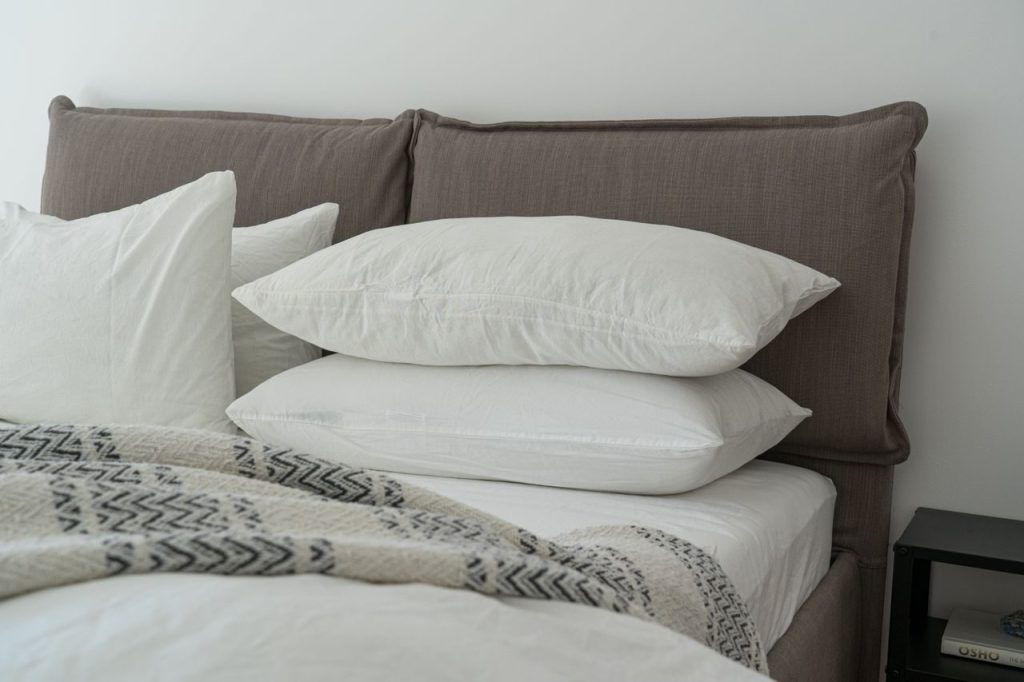

Start with the ordinary purpose
An adult pillow comparison begins with what you want to change about the current arrangement. Perhaps a case does not fit, laundering is awkward or you want to explore a different feel. Name the practical issue before choosing a shape. A sculpted outline or a technical-looking cross-section does not diagnose a health concern or establish that the product suits every person who usually sleeps in the same position.
Keep adult advice separate from infant sleep spaces. Do not adapt this shopping checklist to a cot or assume a smaller version of an adult product is appropriate for a baby. For adult use, persistent pain or significant sleep concerns should follow an appropriate qualified care route rather than a purchase expected to explain the cause. A product description can inform the shopping question while leaving an individual health question unresolved.
Write down the actual measurements
Check length, width and any stated height or profile using the exact model information. Record whether dimensions describe an uncompressed item or another condition specified by the maker. A familiar size word does not supply every detail, especially where shaped products have different areas or sides. Compare the measurements with your existing cases and storage space instead of assuming that a standard-looking photograph means a standard fit.
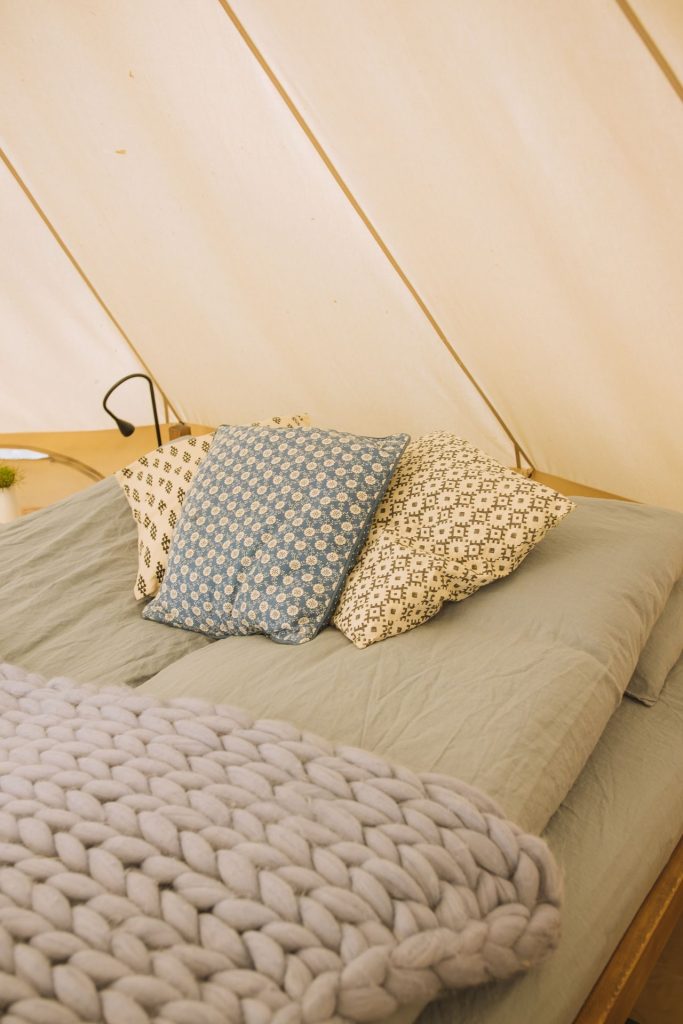
If the product has adjustable components, ask what the adjustment involves and which parts are included. Keep the instructions with the reference rather than inventing a universal height formula from body size or a sleeping-position label. A personal preference can be explored within the intended use, but it should not be presented as a measurement-based prescription that guarantees alignment, pain relief or better sleep for another adult with superficially similar characteristics.
Identify filling and cover separately
Read the stated filling and cover materials as distinct specifications. A description of the outer fabric does not establish what is inside, and a broad natural or premium label does not explain every component. Ask for missing information instead of making assumptions from the colour or softness suggested in a photograph. Keep marketing claims in a separate field so they do not become stronger factual statements in your own comparison notes.
Do not assume a material name proves a product is hypoallergenic or clinically improves breathing. If a health concern affects the choice, seek appropriate advice and ask what the exact claim is meant to establish. A customer story about another person’s experience is not an individual assessment. The useful information remains specific: construction, dimensions, intended use and clear care directions for the actual item you are considering.
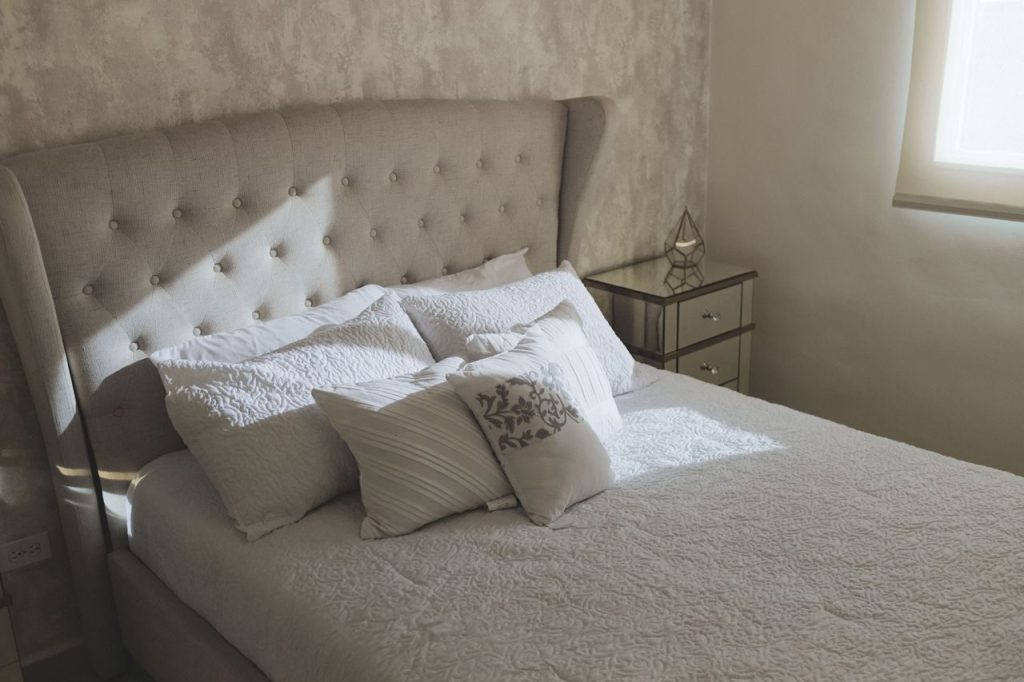
Read the laundry instructions first
Check which parts can be washed and how they should be dried. A removable cover and the pillow itself may have different instructions, so do not treat the word washable as permission to use one method for the whole assembly. Compare the requirements with your available equipment and drying space before buying. A bulky item that is difficult to maintain may not fit your ordinary routine even when its initial feel is appealing.
Plan where the pillow will be stored when not in use and keep it ready under the care instructions. Do not use fragrance or an improvised chemical treatment as a substitute for resolving a persistent condition or hygiene concern. If the product changes unexpectedly, contact the maker with the reference. Clear information about care is part of choosing the product, not an afterthought to discover when the first cleaning task becomes difficult.
Keep comparison notes modest
Record personal impressions separately from official specifications and current return terms. Check whether the source reports actual use or only compares specifications, and read a comfort rating alongside its stated method rather than treating the number as an individual recommendation. A specification-led comparison can still be useful when it explains the questions a reader should ask. It does not need a promise that one shape is universally best to help someone identify a practical adult purchase.
Choose a narrow conclusion: the item meets your dimensional and care requirements and fits the intended role, or a question remains to be resolved. Leave health claims outside that conclusion unless appropriately established for the individual context. A useful pillow decision is not a diagnosis. It connects the actual product with cases, cleaning and personal preferences while recognising that a distinctive shape alone cannot answer every question about comfort or sleep.