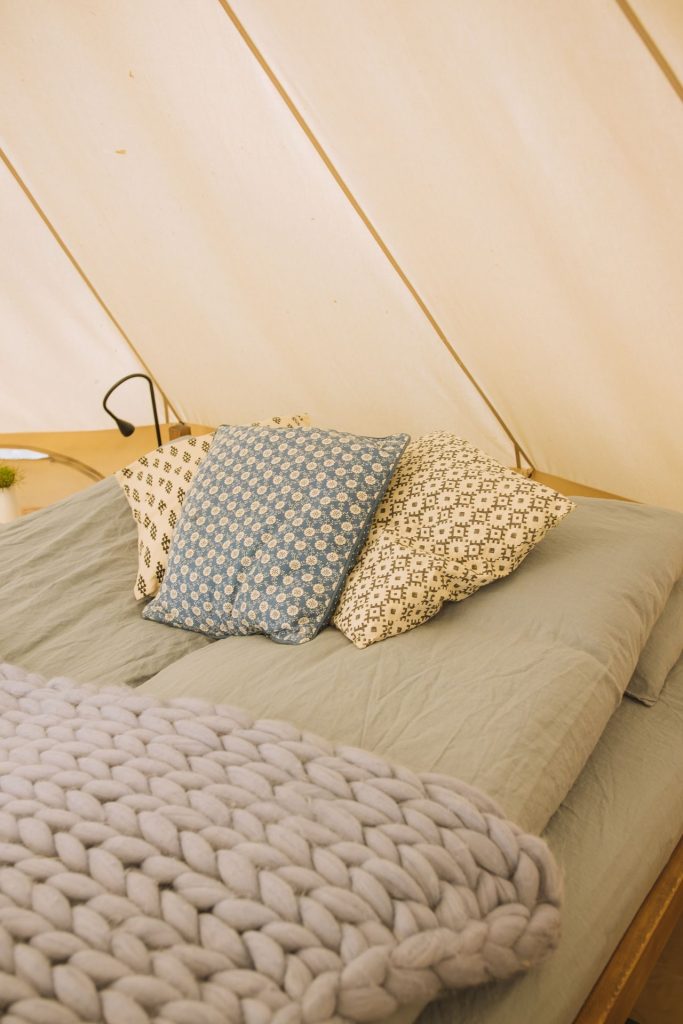

Identify the actual bed and cover
Begin with the dimensions of the adult duvet cover and the intended bed arrangement, using measurements rather than a size name alone. Products from different markets can use familiar labels for different dimensions. Check the exact candidate and leave room for the adults’ practical preferences without assuming a decorative photograph establishes the best amount of overhang. A duvet that looks generous in a listing can still be awkward to fit, wash or store in the actual home.
Keep infant sleep questions separate. Adult duvet comparisons should not be turned into advice for a baby by choosing a smaller size or fewer layers. For adult shopping, identify whether the purchase replaces a missing item, changes a personal warmth preference or simply duplicates something already owned. A clear purpose makes the label easier to read because you know which practical question the new product is supposed to answer.
Read warmth descriptions in context
Record the maker’s stated warmth description and any explanation supplied for the exact product. Do not invent an equivalence between different systems or assume a seasonal name guarantees the same experience in every room. The room, existing layers and individual preferences are part of the actual setup. A product can be described accurately without turning its label into a promise that every adult will feel comfortable under it at a particular outdoor temperature.
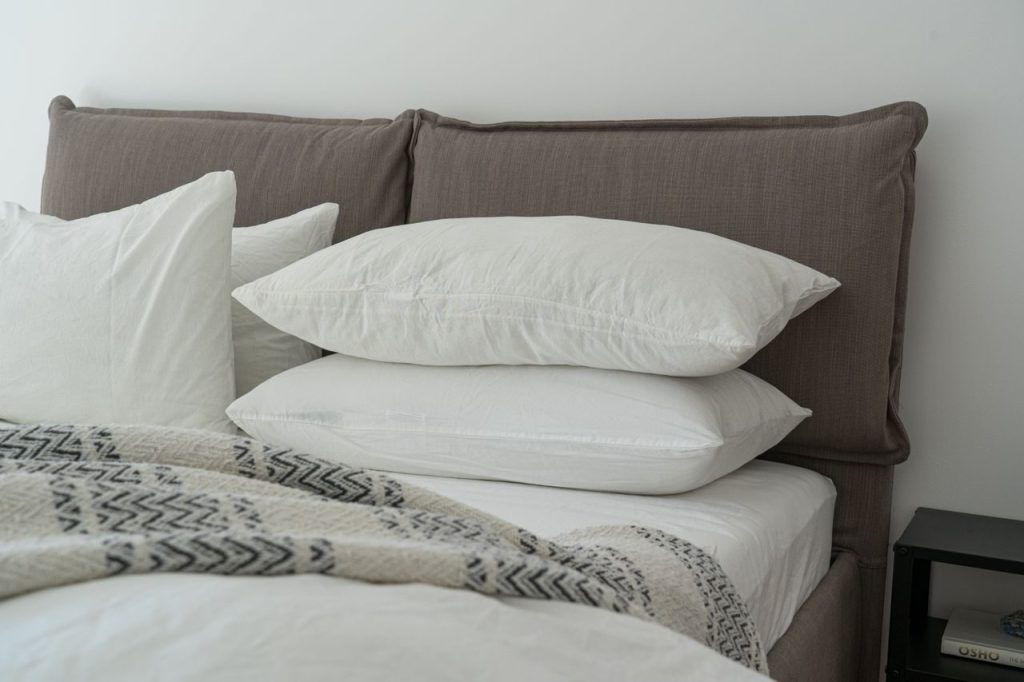
Where an unfamiliar rating or phrase appears, ask what it means and how the provider explains it. Keep that answer attached to the source. A number is useful only within its definition, and a confident comparison chart should not supply precision the original information does not support. Avoid treating a higher rating as automatically better; the aim is an appropriate preference and manageable arrangement, not the largest value displayed on the shelf.
Separate filling from marketing language
Read the filling composition and outer material information separately, including any stated blend. A natural-looking cover does not establish the contents, and a premium label does not describe every practical feature. Ask for missing details if a material preference matters to the purchase. Do not infer a certification from colour, imagery or a similar product’s badge; verify the actual claim for the item being considered rather than lending it authority through association.
Keep health promises in their proper place. A material description does not by itself establish that the duvet treats allergies, prevents illness or improves sleep for every user. Significant ongoing concerns need appropriate assessment rather than an assumption that a different filling will explain them. You can compare an adult product for ordinary use without turning a preference or another buyer’s experience into clinical evidence.

Check care and storage demands
Read the washing and drying instructions before deciding a large or thick duvet is convenient. Compare them with your equipment, available space and the provider’s guidance. Do not assume a method used for a previous filling applies to the new one or that every washable item fits your domestic machine appropriately. Keep covers and filling components distinct where their care requirements differ, rather than treating the complete bed as one laundry category.
Plan storage for an item not currently in use, following the product directions and checking that it is ready to put away. A second seasonal duvet can be useful for some households but also creates another bulky item to maintain. Consider whether the existing collection already provides a suitable arrangement before adding one. A purchase should not create pressure to pack an item into an unsuitable space merely because the new label sounded like a necessary upgrade.
Make a preference-led comparison
Compare the same fields across candidates: dimensions, filling, warmth wording, care and current terms. Keep your own impressions in a separate note if you have an appropriate chance to handle the product. Check how a review was produced and keep its described experience separate from the dimensions, filling and care information supplied by the maker. A useful conclusion can simply identify which option meets the practical brief and which question still needs an answer from the provider before purchase.
Review the arrangement as ordinary use and circumstances change, without assuming a duvet has to be replaced on an arbitrary calendar. Keep health and infant boundaries clear, and do not expect more layers to produce better sleep automatically. The label is helpful when it describes the actual item. It becomes less useful when a seasonal word or warmth number is asked to predict every adult’s preference, room conditions and individual care needs on its own.