
Find out how the review was made
Look for a clear explanation of whether the author used the exact product, compared published specifications or conducted a defined measurement process. These approaches can each provide information, but they support different claims. A specification roundup should not borrow the authority of personal use, and a private experience should not be presented as a laboratory result. The method matters more than a page layout designed to make every conclusion look equally scientific.
Identify the model, version and size being discussed. A broad range name can cover several products with different details. Keep the review date and relevant source information if you want to use it later. A confident verdict from an older page may not describe today’s item or buying conditions, particularly where the seller has changed construction, dimensions, accessories or the commercial scheme attached to the same familiar name.
Separate the statement types
A measurement stated by the manufacturer belongs to one category, a personal impression to another and a clinical claim to a third. Keep them distinct in your own notes. A reviewer liking the feel of a pillow does not establish that it treats pain or suits every adult with the same sleeping position. Likewise, a warranty duration describes a commercial arrangement rather than a measured improvement in sleep for the person reading the page.
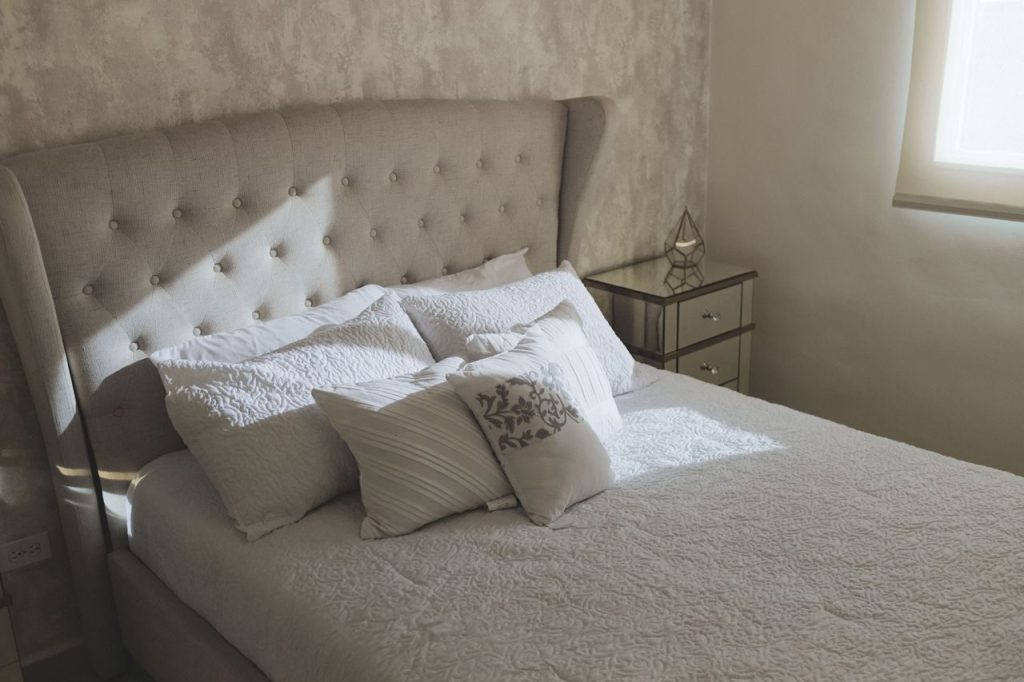
Ask what information is missing. The review may not identify the supporting base, the setting or the conditions under which an impression was formed. Do not supply those gaps from a photograph. A staged bedroom image can help illustrate appearance without documenting a complete test. You can find a review useful while leaving important questions unanswered, instead of converting its confident tone into evidence that all relevant factors were assessed.
Inspect the rating criteria
If products receive scores, read how the criteria were chosen and whether they relate to your actual need. A total can hide trade-offs between size, maintenance, delivery and appearance. Do not treat the highest number as an individual prescription. A product earning points for features you do not need may fit the household less well than a simpler item with suitable dimensions and a care routine you can follow without difficulty.
Avoid repeating precise-looking results whose measurement process is not explained. A decimal rating does not prove independent testing occurred, and a collection of customer comments is not a clinical study. Check an alleged professional endorsement through an appropriate primary source where it matters. A medical-looking badge or photograph cannot supply the missing identity, scope and evidence of a claim that the wording itself leaves unclear.

Keep the commercial context visible
Read disclosures about supplied products, sponsorship or affiliate links without assuming that a relationship makes every statement false. The relevant question is whether the method and claims remain clear. Check current total costs and terms directly with the actual provider instead of relying on an old offer. A review can describe another market’s scheme, so do not import its return window, collection promise or price into your own purchase as though it applies automatically.
Compare the candidate with the practical task you need to solve. Persistent sleep difficulty or pain should not become a product hunt expected to identify the cause. Use appropriate qualified advice for those concerns. An adult review also should not be adapted to infant sleep spaces by selecting a smaller product. The audience and intended use remain part of evaluating the information, however persuasive the reviewer’s experience sounds.
Write your own limited conclusion
Summarise what the review actually helped establish: a feature to check, a missing measurement or a question for the maker. Keep your conclusion narrower than the headline where necessary. It can lead to another enquiry or no purchase. The time spent reading does not create an obligation to buy, and a reviewer declaring a winner does not remove the need to confirm fit, care and conditions for your own home.
If you later describe the comparison, state your method accurately and distinguish another author’s impression from your own experience. Identify which details you checked directly, which came from the maker and which belong to another author’s experience, leaving any clinical claim linked to its actual source. A useful review remains one source of information. Its certainty does not need to be borrowed for it to help you make a practical adult purchase based on clear requirements and honest limits.