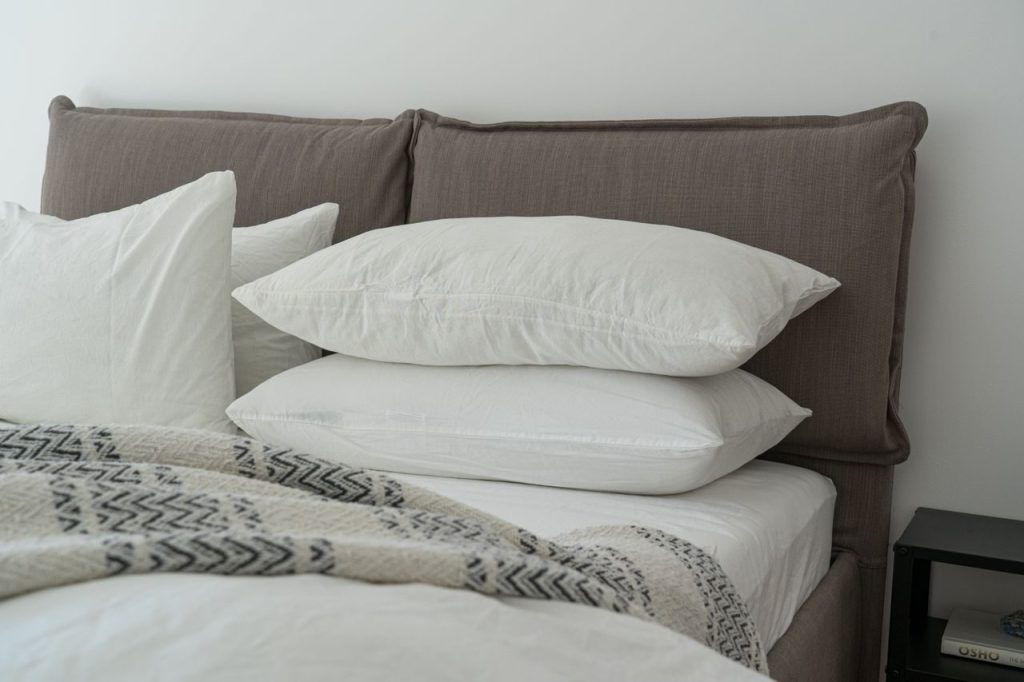

Adult bedding collections often include items with different fibre contents and finish treatments. A storage and rotation schedule helps keep each piece in usable condition without guessing when to wash or air it. The approach starts with the care labels already attached by the manufacturer and builds from there into a repeatable household routine.
Label details provide the only reliable basis for decisions about washing frequency, folding methods and storage environments. Without recording those details first, any later rotation plan risks treating dissimilar textiles the same way. The schedule therefore begins with systematic collection of information rather than assumptions about use patterns.
Collecting and Recording Label Information
Remove each duvet, sheet and protector from its usual place and photograph both sides of the sewn-in label. Record the fibre percentages, wash symbols, drying instructions and any maximum temperature or cycle restrictions. Keep the notes in a single document that can be updated when new items are added. This record also serves as a reference when comparing two similar-looking items that carry different care requirements, such as a cotton sateen sheet versus a percale sheet with a wrinkle-resistant finish.
Separate items that carry specialist finishes, such as stain-resistant or moisture-wicking treatments, from standard cotton or linen pieces. These finishes frequently require lower wash temperatures or specific drying conditions that differ from untreated textiles. Common errors at this stage include overlooking small symbols for ironing temperature or dry-cleaning restrictions and assuming all natural fibres tolerate the same cycle. Checking each label against an international care-symbol chart prevents misinterpretation before any rotation begins.
Grouping Items by Compatible Care Cycles
Place products that share the same wash temperature, spin speed and drying method into the same rotation group. For example, group all machine-washable cotton percale sheets together and keep silk or delicate-weave items in a separate group that may need hand washing or a wool cycle. The grouping step also accounts for load size limits stated by the washing-machine manufacturer, because overloading can damage both the machine and the textiles even when the cycle setting matches the label.

Check whether any item carries a “do not bleach” or “line dry only” symbol. These constraints affect how often an item can be included in a weekly laundry load and whether it needs dedicated drying space. A frequent mistake is mixing performance-treated items with untreated ones in the same load, which can transfer residues or alter the intended finish. Maintaining separate groups reduces the chance of accidental damage and makes it easier to plan laundry days around the longest drying requirement in each group.
Setting Rotation Intervals Based on Use Frequency
Decide how many sets are needed for each bed so that one set can remain on the bed while another rests in storage. A common pattern uses three sets per bed: one in use, one in the laundry queue and one in sealed storage. Adjust the number according to the household’s actual laundry rhythm rather than fixed calendar dates. Households with pets or higher perspiration levels may require shorter intervals between changes, while single-occupancy bedrooms can often extend the interval without affecting textile condition.
Mark on the storage document the date each set last left the bed. This simple record prevents any single item from remaining folded for extended periods that could crease fibres permanently. Seasonal changes in bedroom temperature or humidity can also influence rotation speed; for instance, heavier duvets used only in winter may stay in storage longer than lightweight summer sheets. The schedule therefore includes a quarterly review of whether the current number of sets still matches observed use.
Preparing Storage Conditions That Match Fibre Needs
Fold or roll items loosely to avoid sharp creases. Place each group inside a breathable cotton bag or acid-free box rather than plastic, which can trap moisture. Keep the containers in a cool, dry cupboard away from direct sunlight and heating pipes. Natural fibres such as linen benefit from slightly higher humidity than synthetic microfibre items, so the storage location may need adjustment if the household contains both types.
Check stored items every three months for signs of musty odour or discolouration. Air them on a drying rack for a few hours before returning them to storage if any dampness is detected. Common errors include stacking heavy items on top of folded sheets, which creates permanent fold lines, and placing storage containers directly on the floor where temperature fluctuations are greater. Using shelf height as a simple separation tool helps maintain consistent conditions across all groups.

Updating the Schedule When New Items Arrive
When a replacement duvet or sheet is purchased, repeat the label-recording step immediately. Insert the new item into the appropriate rotation group and adjust the total number of sets listed for that bed. Remove any retired items from the document so the schedule stays accurate. If the new item carries a different fibre content, it may require its own small group rather than joining an existing one, particularly when performance treatments are involved.
Review the entire schedule once a year. Discard or repurpose any item whose label has become illegible or whose fabric shows thinning that no longer matches the original fibre specification. This annual check also reveals whether the current storage space remains adequate as the collection grows. Keeping the document version-dated prevents confusion between older and newer entries when multiple people in the household consult the same list.
Handling Shared Household Collections
In homes where more than one adult uses the same bedding stock, assign each person a distinct colour-coded storage bag. This prevents accidental mixing of items that have different care requirements. Keep the master document accessible so everyone can check the rotation status before selecting a set. Where two people share a bed, maintain at least one spare set that both can agree upon, ensuring the rotation remains balanced rather than one person’s preferred items being used more frequently.
Establish a simple hand-over rule, such as returning a freshly laundered set to the top of the rotation list only after both users have confirmed it meets their preferences. This reduces disputes over which set is due next and keeps the schedule aligned with actual usage rather than individual habits. The same document can note any agreed exceptions, such as reserving a particular weave for guests, without altering the core rotation logic.
Verifying Compatibility with Household Laundry Equipment
Before finalising any rotation interval, confirm that the chosen wash and dry settings on household machines match the strictest requirement within each group. Some front-loading machines limit maximum load weight for delicate cycles, which may mean splitting a large group into two smaller loads. Recording machine model numbers alongside the bedding document helps when equipment is replaced and new capacity limits apply.
A practical check involves running one test load with the oldest set in each group and noting any unexpected shrinkage or colour transfer. If the outcome deviates from the label expectations, adjust the grouping rather than the machine settings. This step prevents cumulative damage across multiple rotation cycles and keeps the schedule grounded in the actual performance of both textiles and equipment.