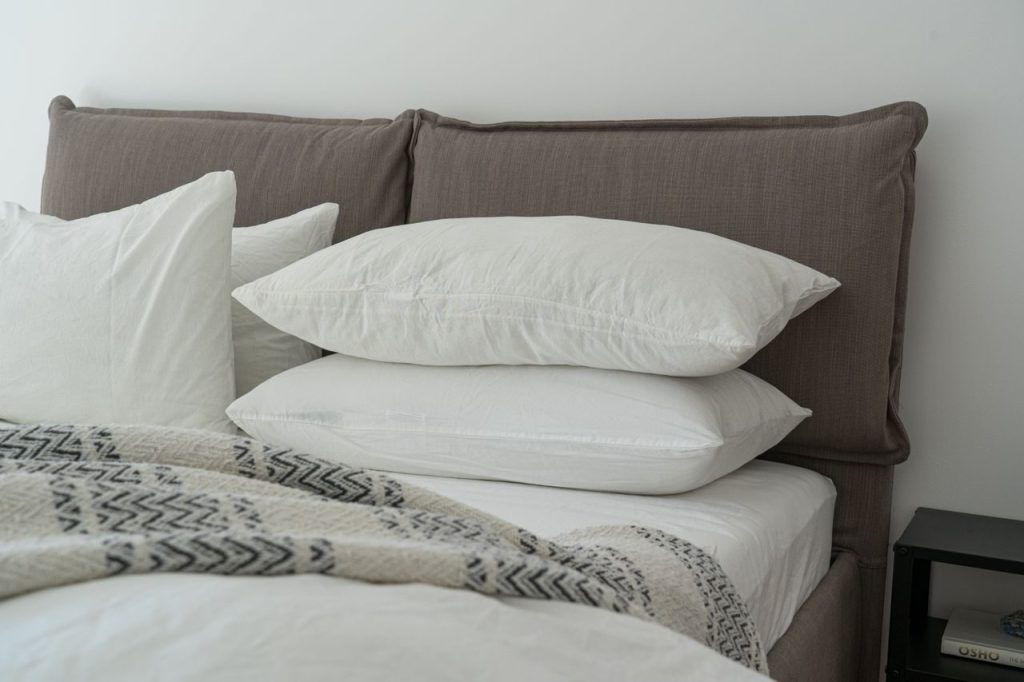

Adult bedding textiles carry specific fibre details and care symbols that indicate suitable washing, drying and storage methods. Matching these instructions to available household equipment reduces the risk of premature wear or colour change while preserving the intended hand-feel and dimensional stability of each item.
Readers often encounter symbols that do not match the settings on their machines. Checking both the label and the appliance manual before starting a cycle prevents unintended damage and helps establish a repeatable routine that fits the textiles already owned.
Reading fibre composition on adult bedding labels
Labels list percentages of cotton, linen, polyester or blends. Higher cotton content usually requires cooler wash temperatures and gentler spin speeds to limit shrinkage. Synthetic blends tolerate higher temperatures but may retain heat during drying, so the drying step must be adjusted accordingly. When a label shows 60 % cotton and 40 % polyester, the care instructions typically reflect the more delicate fibre, meaning the lower temperature limit applies. Checking the full composition against any additional printed notes prevents selecting a programme that exceeds the tolerance of the weaker component. This comparison becomes especially useful when several sets share the same laundry day and must be grouped without risking cross-damage.
Judging fibre content also involves noting whether the fabric is woven or knitted, as structure influences how fibres respond to agitation. A percale cotton sheet may tolerate more mechanical action than a sateen weave of the same fibre percentage. The label rarely states weave type, so visual inspection of the item before washing supplies the missing detail. If the fabric feels tightly woven and smooth, a standard cotton cycle remains appropriate; if it shows a slight sheen and smoother surface, reducing spin speed helps maintain that surface over many cycles. Repeated observation of the same set after several washes confirms whether the chosen programme matches the actual behaviour of that particular textile.
Matching symbols to washing-machine programmes
Common symbols include a washtub with a number, a hand-wash icon or a crossed-out machine symbol. Select the programme that stays within the stated temperature and agitation level. Avoid using extra-spin options unless the symbol permits them, because excessive centrifugal force can distort fitted sheets or stretch pillowcase seams. Front-loading machines often provide dedicated bedding or delicate cycles that reduce mechanical stress while still achieving adequate soil removal. Confirming the cycle duration and final spin speed against the label ensures the chosen setting does not exceed the fibre’s tolerance for repeated mechanical action.

Common errors arise when users override the machine’s automatic settings or combine items with conflicting symbols in one load. For example, placing a symbol indicating 30 °C alongside items marked 60 °C forces the lower temperature for the entire load, leaving heavier soiling on the higher-rated pieces. Another frequent mistake is ignoring the maximum load weight printed in the machine manual; overloading compresses fibres and prevents proper rinsing. Checking both the textile label and the machine capacity before loading avoids these issues and keeps detergent residues from building up inside the fabric. When symbols on a new purchase differ from existing items, sorting into separate loads becomes the practical solution rather than attempting to reconcile incompatible instructions.
Drying methods indicated by manufacturer symbols
A square symbol with a circle inside shows tumble drying is allowed; a crossed-out circle means air drying only. When tumble drying is permitted, the number of dots inside the circle specifies normal or low heat. Low-heat settings reduce the risk of shrinkage in natural fibres and prevent melting of synthetic filaments that may be present in blends. If the label shows no tumble-dry symbol, line drying remains the default method. Placing items on a rack indoors with adequate spacing allows air to circulate and reduces creasing that would otherwise require ironing at temperatures the fabric may not tolerate repeatedly.
Judging drying conditions also requires attention to ambient humidity and item construction. Heavier duvet covers retain moisture longer than pillowcases, so extending the drying time rather than increasing heat preserves fibre strength. A common error is leaving items in the dryer after the cycle ends; residual heat continues to act on fibres and can set creases or cause localised weakening. Removing items promptly and smoothing them while still slightly damp minimises later ironing and distributes any remaining moisture evenly. For air drying, direct sunlight should be avoided on coloured items because ultraviolet exposure accelerates fading even when the care label does not explicitly prohibit it. Rotating the position of items on the rack during drying ensures all areas receive similar airflow and finish at comparable dryness levels.
Storage practices after cleaning
Fold clean items loosely and place them in breathable cotton bags or on shelves away from direct heat sources. Avoid sealed plastic containers that trap moisture and encourage mildew on natural fibres. When storage space is limited, stacking folded items with the heaviest pieces at the bottom prevents creasing on lighter textiles. Rotating stored sets every few months so older pieces return to use distributes wear evenly across the household inventory and prevents any single set from remaining unused long enough for hidden creases to become permanent.
Practical storage also involves checking the condition of the storage area itself. Shelves near boilers or radiators expose textiles to repeated warm air that can dry out fibres and make them brittle over time. Placing a layer of acid-free tissue between folded items reduces friction marks on smoother weaves. When items are returned to storage after a period of use, a quick visual inspection for stains or pulled threads before folding prevents unnoticed damage from setting during the next storage interval. Keeping a simple dated note of when each set entered storage helps maintain an even rotation schedule without guesswork.

Handling performance-treated adult textiles
Some adult bedding carries treatments for stain resistance or moisture management. These finishes usually carry an additional symbol or written instruction that prohibits bleach or fabric softener. Following that restriction on every wash maintains the treatment effect; introducing softener can coat the fibres and reduce wicking performance within a few cycles. When the label is unclear, contacting the manufacturer with the product code supplies the precise limitation rather than relying on general assumptions about the treatment type.
Applicable conditions for treated textiles include households that experience occasional spills or higher humidity. In such settings the treatment extends the interval between full washes, but only if the care instructions are followed exactly. A frequent error is using vinegar or other household additives in the rinse in an attempt to soften fabric; these substances can neutralise the performance finish. Another error is washing treated items with heavily soiled garments that require stronger detergent, resulting in cross-contamination of residues. Keeping treated bedding in a separate laundry category and washing it last in a clean drum reduces these risks while preserving the intended function of the finish.
Recording observations of fabric condition
Keep a simple household note of purchase date, fibre type and observed changes after each wash cycle. Entries might include increased pilling on pillowcases or slight shrinkage on fitted sheets. Such records help decide when an item should move to secondary use, such as guest bedding, rather than continuing in daily rotation. Comparing notes across different fibre types refines future purchases; for instance, linen sets may soften with repeated gentle washing while some polyester blends retain stiffness regardless of cycle choice.
Judging when to retire an item relies on consistent criteria rather than single observations. Measure the fitted sheet against the mattress depth after every tenth wash; a reduction of more than two centimetres indicates cumulative shrinkage that will affect fit. Checking seam integrity on pillowcases after washing reveals whether thread tension has loosened. Recording these measurements alongside the programme used creates a clear pattern that shows which settings best preserve each textile. Over several seasons the accumulated notes also indicate whether a particular fibre type consistently performs better under the household’s water hardness and drying conditions, guiding replacement choices without reliance on external claims.
Common mismatches between labels and equipment
Selecting a high-spin programme on a label that shows a gentle cycle symbol remains one of the most frequent errors. Using biological detergent on items marked for non-biological wash introduces enzymes that can weaken protein-based fibres such as wool or silk blends occasionally present in adult bedding. Drying at high heat when the symbol shows only one dot causes differential shrinkage between fibres in a blend. Correcting these mismatches at the planning stage preserves fabric strength and appearance over multiple seasons.
Another mismatch occurs when machine capacity is ignored. Overloading prevents adequate rinsing, leaving detergent that stiffens fibres and reduces softness. Underloading wastes water and energy while still subjecting the textile to unnecessary agitation. Checking the machine manual for the recommended bedding load weight before each wash aligns the equipment setting with the textile requirements. When symbols on newly purchased items differ from those already in use, creating a dedicated small load for the new textiles avoids forcing incompatible items through the same cycle. Manufacturer instructions remain the primary reference for each textile; regular checks against these instructions support consistent results without reliance on general assumptions about fabric behaviour.