

Thread count appears on many adult bedding labels, yet the figure alone rarely predicts how a sheet or duvet cover will feel after several weeks of use. Adults comparing options often notice that two items with similar numbers can behave quite differently once placed on the bed and washed. Examining the relationship between the printed number and real-world texture helps avoid repeated purchases that do not match expectations. The following sections outline practical ways to read specifications alongside observable material traits.
Understanding these distinctions matters when selecting items for long-term bedroom use. Labels provide one set of data, while daily handling, folding and laundering reveal another. Adults who cross-reference both sources tend to make selections that align more closely with their existing furniture and routines. This approach avoids reliance on any single metric.
What the thread count number actually records
Thread count counts the total warp and weft threads within one square inch of fabric. Higher numbers indicate more threads packed together, but the measurement does not describe fibre thickness or the way those threads are spun. Manufacturers may calculate the number differently, sometimes combining plied yarns into a single count. This variation means two sheets labelled 400 can have noticeably different surface smoothness once on the mattress. Checking the exact method of calculation printed on the label, where available, supplies additional context before any purchase decision.
Adults can compare the stated thread count against the visible density of the weave by holding the fabric to light. Gaps between threads often appear even at moderate counts when the yarns are thicker. This visual check serves as a quick judgment tool that does not require specialised equipment. It also highlights cases where a lower number may still produce an even surface if the spinning process is consistent.
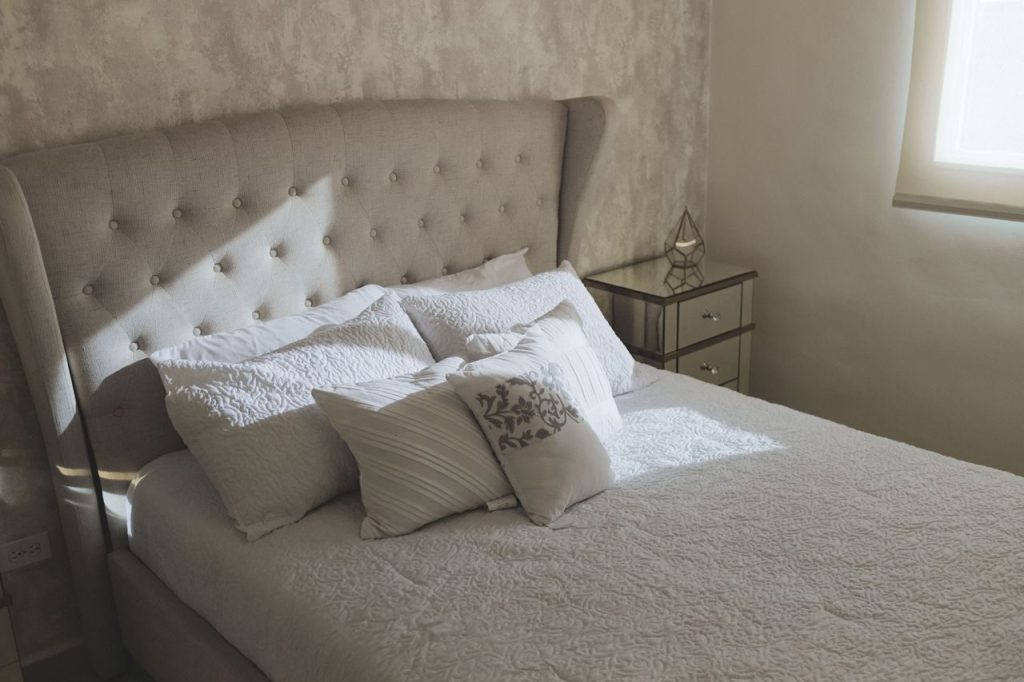
Fibre type and its influence on surface texture
Cotton fibres produce a matte finish that softens gradually with washing, while polyester blends often retain a smoother, sometimes cooler hand from the first use. The same thread count applied to each fibre yields contrasting results against skin. Linen and bamboo viscose add further variables because their natural or regenerated fibres create more open or slubby surfaces even at moderate thread counts. Checking fibre content on the label therefore supplies information the number itself omits and helps narrow choices to those likely to match existing preferences.
Adults who rotate several sets can observe how each fibre responds to household water hardness and detergent types over successive cycles. Cotton may develop a lived-in softness, whereas synthetics sometimes retain stiffness if dried at high temperatures. Recording these patterns in a simple notebook provides a personal reference that future label comparisons can draw upon. The process remains separate from any universal performance claim.
Weave structure and perceived softness
Plain weaves distribute threads evenly and tend to feel crisp at lower counts. Sateen weaves float threads on the surface, creating a silkier touch at comparable counts. Percale, by contrast, keeps a matte, breathable character. Adults who prefer a particular sensation can compare weave descriptions on product tags rather than relying only on the thread count figure. The weave also affects how the fabric drapes over a duvet or mattress corners and influences the amount of ironing required after laundering.
Common errors include assuming that a higher thread count automatically indicates a sateen weave when the label may actually describe a plain construction. Checking both elements together reduces this mistake. In small bedrooms where storage space limits the number of sets kept, selecting the weave that matches seasonal temperature changes becomes especially useful. This matching step relies on direct comparison of samples rather than numerical values alone.
Changes after repeated household washing
Most adult bedding undergoes shrinkage or surface roughening after several cycles in a domestic machine. Higher thread counts do not automatically resist these shifts; tightly spun fibres may pill or lose initial smoothness faster than expected. Following the care symbols printed on the item helps maintain the original hand. Recording how each set feels after the first three washes provides a personal reference that printed specifications cannot supply and reveals whether the fabric settles into a preferred texture or becomes less comfortable.
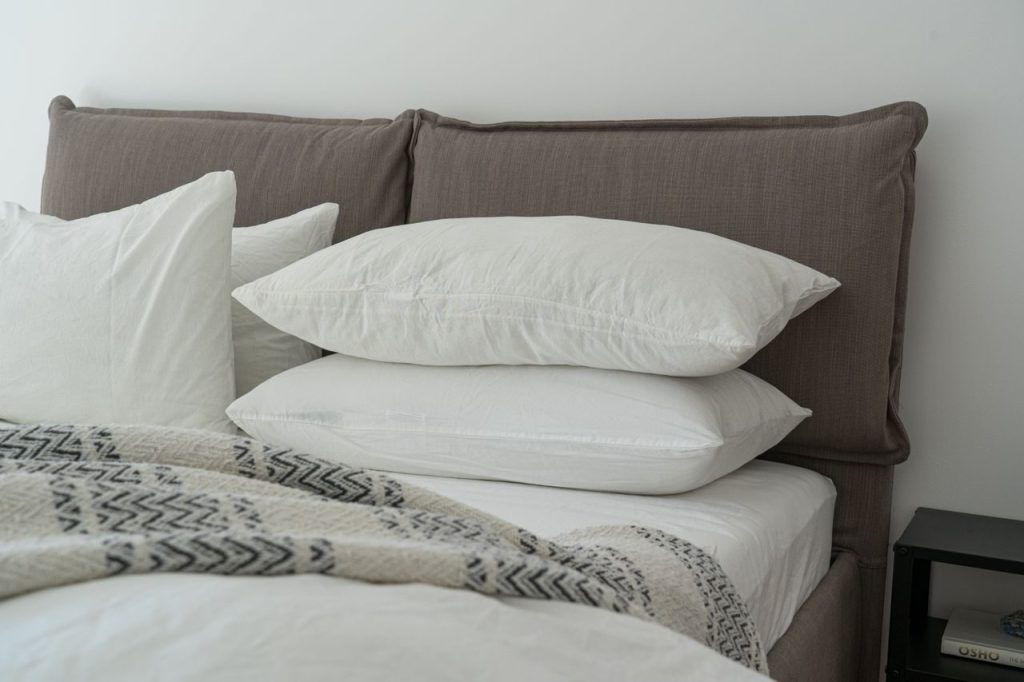
Judgment criteria include checking for even colour retention and absence of excessive lint on darker items. These observations apply within the boundaries of standard household equipment and vary with water temperature and spin speed. Adults who share laundry facilities may need to adjust their rotation schedule to accommodate different machine settings. Such adjustments remain practical rather than prescriptive.
Practical checks before purchase
Where possible, adults can request a swatch or examine the item in store by running a hand across the surface and folding it to test drape. Comparing two fabrics side by side under similar lighting reveals differences the thread count label conceals. Measuring the actual width and depth of existing sheets against new purchases also prevents mismatch once the items reach home. This step is separate from any numerical claim on the packaging and forms part of a systematic comparison process.
Common errors occur when shoppers focus solely on the highest number displayed without verifying fibre content or weave. Another frequent oversight involves overlooking how seams and hems are finished, which can affect long-term edge durability. Applying a checklist that includes fibre, weave and dimensions before payment reduces these issues. The checklist works best when used consistently across different retailers.
Keeping simple personal notes over time
A short record of fibre content, weave type and observed feel after laundering helps refine future selections. Notes can include whether the fabric stayed flat on the mattress or developed creases quickly. Such observations remain individual and do not replace professional advice when persistent comfort issues arise. They simply support more consistent choices within the range of adult bedding available and can be reviewed before each new purchase.
Adults who keep notes for several months can identify patterns linked to specific fibre blends or care routines. This record stays private and serves only as an aid when comparing new items against existing ones. Limits of the approach include the inability to predict how any single set will interact with unique bedroom conditions such as humidity levels or storage methods. The notes therefore function as one reference point among several practical considerations.