

Adult bedding textiles sometimes carry applied finishes that alter how the fabric handles moisture or resists marks. These treatments change the way the items must be cleaned and stored, and the only reliable source of information remains the care label supplied by the manufacturer. Checking the label before every wash prevents unintended damage to the finish and extends the useful life of the textile.
Readers often notice that a sheet labelled as moisture-wicking behaves differently after several washes if the instructions are not followed exactly. The sections below set out the practical steps needed to keep such finishes intact for as long as the product lasts, using only the details provided on the original label and avoiding any assumptions about unlisted methods.
Identifying the presence of performance treatments
Begin by examining the sewn-in label for words such as moisture-wicking, stain-resistant or temperature-regulating. These phrases indicate that a chemical or mechanical finish has been applied during production. The label may also list a specific fibre composition that supports the treatment, for example a blend containing polyester that accepts wicking agents more readily than untreated cotton. Note any additional symbols that restrict bleach or softener use, as these restrictions exist precisely because the finish would otherwise degrade. Retain a photograph of the full label in a household record so the information stays accessible even if the tag later detaches during repeated laundering cycles. This initial identification step determines whether ordinary household detergents will be suitable or whether a specialised product must be sourced in advance.
Compare the symbols on the label with the written instructions that accompany them. A wash-basin symbol crossed with a number or a circle with a line through it shows that certain temperatures, bleaches or tumble-dry settings are unsuitable for the finish. When the label combines both symbols and text, the text takes precedence because it supplies the precise conditions under which the treatment remains effective. If two similar products carry different wording on their labels, treat each item according to its own instructions rather than assuming uniformity across the range. This careful comparison avoids the common error of applying one set of rules to an entire collection of bedding that actually requires separate handling.
Reading the full care text rather than the symbols alone
Symbols give a quick overview, yet the printed sentences often add detail about detergent type or spin speed. A finish designed to repel liquids may lose its effect if a fabric softener is used, even when the symbol permits a normal wash. The written text frequently specifies the maximum number of washes before reapplication of a protective spray becomes necessary, information that symbols alone cannot convey. Keeping the original packaging or a scanned copy of the label ensures that these supplementary instructions remain available throughout the life of the product.
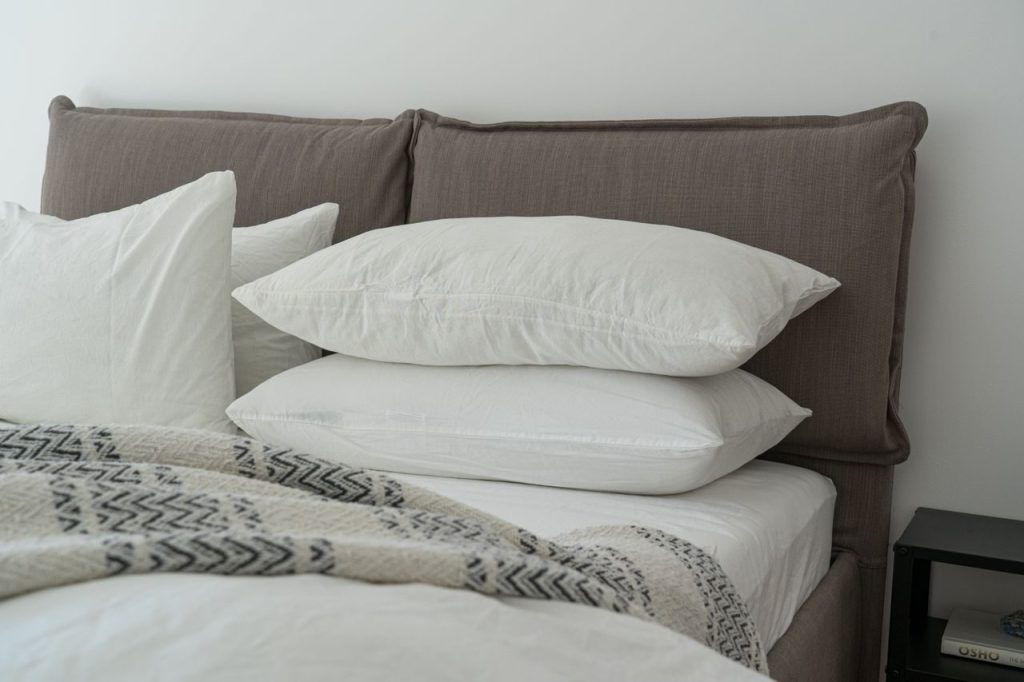
Keep a copy of the label text in a household file. When the original label fades or becomes detached, the written record remains available for reference during future laundering. Cross-reference the stored text with the item itself each time it is prepared for washing so that no step is overlooked. This practice proves especially useful for items stored for seasonal use, where the label may have become worn between one season and the next. The stored copy also allows comparison between different brands when replacing worn bedding, revealing which manufacturers provide the clearest guidance on maintaining their particular finishes.
Selecting compatible detergents and additives
Manufacturers of treated fabrics usually specify a mild, enzyme-free detergent. Enzyme detergents can break down the polymers that create the wicking or stain-resistant effect, leading to gradual loss of performance even when wash temperatures remain within the permitted range. Liquid detergents often disperse more evenly than powder versions in cool water, reducing the risk of residue that might mask the finish. Always measure the recommended quantity rather than estimating, because excess detergent can leave a film that interferes with moisture transport.
Avoid products that contain optical brighteners or fabric softeners unless the label explicitly allows them. These additives coat the fibres and reduce the performance the finish was intended to provide. When in doubt, test a small inconspicuous area first by applying the chosen detergent solution and rinsing thoroughly, then observe whether water absorption changes. This simple check confirms compatibility before committing an entire set of bedding to the wash. If several compatible detergents are available locally, choose the one with the shortest ingredient list, as fewer additives generally pose less risk to the surface treatment.
Washing temperature and cycle choices
Follow the exact temperature stated on the label. A finish rated for 30 °C may lose its moisture-wicking property if washed at 40 °C or higher, even if the base fabric could withstand the hotter cycle. Use a thermometer in the washing machine if the appliance does not display precise readings, because small deviations accumulate over multiple washes. Separate treated items from heavily soiled garments so that longer or more vigorous cycles intended for dirt removal are not applied by default.
Use a gentle or synthetic cycle with reduced agitation. Excessive mechanical action can abrade the surface treatment, particularly on microfibre or tightly woven cotton that has received an additional coating. Check the spin speed setting as well, because high centrifugal force may compress the finish into the fibre structure and reduce its ability to interact with moisture. When the label permits, a shorter cycle that still achieves cleanliness preserves the treatment better than an extended programme designed for heavy soil. Always run a full load rather than a half load when possible, as the balanced weight prevents uneven wear on the fabric during agitation.

Drying and finishing steps
Air drying is often preferred because high tumble-dry heat can soften or redistribute the finish unevenly. Hang items on a wide rail rather than a narrow line to avoid permanent creases that later concentrate wear along the fold. If outdoor drying is used, choose a shaded area so that direct sunlight does not accelerate breakdown of the chemical treatment before the fabric is fully dry. Indoors, ensure good airflow around each item to prevent musty odours that might require an additional rinse later.
When a dryer is required, select the low-heat setting listed on the label and remove the items while still slightly damp. Reshape sheets and duvet covers immediately after washing. Pulling the fabric taut while it dries helps the weave remain even and prevents the finish from cracking along fold lines. Smooth the surface with clean hands rather than an iron unless the label specifically permits heat; many performance coatings lose effectiveness when pressed at high temperatures. Allow the bedding to finish drying completely before folding and storing so that residual moisture does not encourage mildew that could further compromise the treatment.
Storage conditions that protect the treatment
Store clean, dry bedding in a cool, dark cupboard. Prolonged exposure to direct sunlight can degrade some stain-resistant chemistries over time, so avoid transparent plastic containers that admit light. Use breathable cotton or linen bags rather than sealed plastic to prevent condensation that might react with the finish. Rotate stored items every few months so that any single piece does not remain compressed in one position for extended periods.
Keep items folded flat rather than compressed in vacuum bags. Compression creases may set permanently and reduce the area where the finish remains effective. Label each storage container with the date of last washing and the care instructions copied from the original label. This simple record prevents accidental use of an incorrect cleaning method when the items are retrieved for the next season. If the storage area experiences temperature fluctuations, such as an attic or under-stairs cupboard, check the items periodically for signs of finish migration or discolouration that might indicate the need for earlier replacement.
Recognising when a treatment has diminished
Observe whether water still beads on the surface after several washes. If liquid spreads instead of forming droplets, the stain-resistant property has likely been reduced. Perform this check on an inconspicuous corner before the item is placed on the bed, allowing time to decide whether continued use is acceptable or whether a replacement should be planned. Record the number of washes completed since purchase so that any decline can be correlated with actual usage rather than guessed at later.
Moisture-wicking performance can be checked by placing a drop of water on the fabric and timing how quickly it is absorbed. Slower absorption indicates that the finish is no longer working as originally specified. When performance declines, continue to follow the label instructions for ordinary cleaning. The base fabric remains serviceable even if the added treatment has worn away. At that point the item can be reassigned to a less demanding role, such as a spare set, while new treated bedding is selected according to the same label-reading process outlined above. This approach maintains consistency in care standards across successive purchases.