
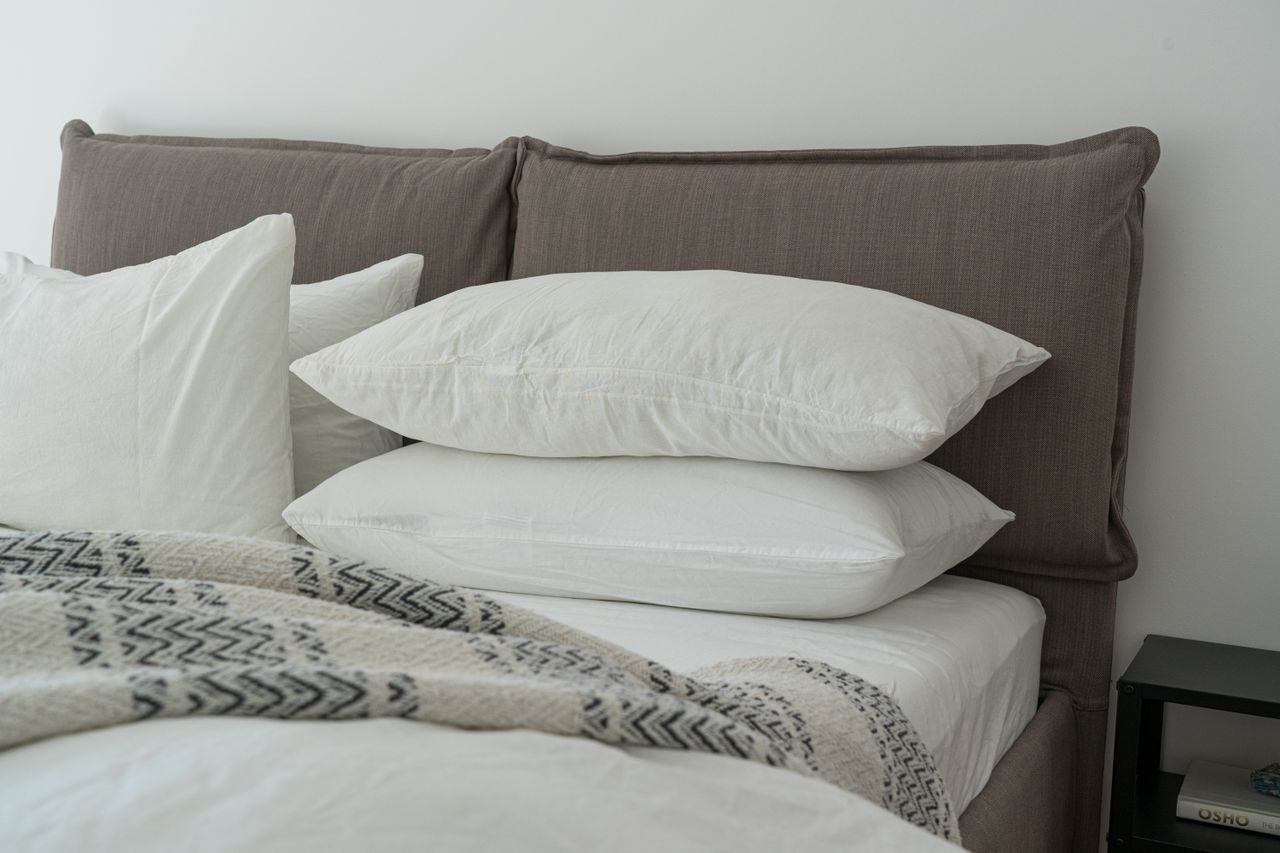
Adults who manage their own bedding over several years often keep basic written records of how mattresses and bases hold up under regular use. These notes focus on measurable details such as height, surface evenness and fit with the frame rather than any claims about rest or comfort. The approach stays useful when the records remain factual and are taken at regular intervals without adding external interpretations.
Over time the same set of observations helps compare current condition against the original measurements supplied by the manufacturer. This method supports decisions about when to consider replacement or adjustments while staying within the limits of what the records can actually show. The process requires no special equipment beyond a tape measure, notebook and dated photographs.
Selecting a Consistent Check Interval
Choose fixed calendar dates such as the first day of each season to carry out the inspection. Mark the same reference points on the mattress surface each time so that later comparisons remain reliable. Record the date, the room temperature at the time of measurement and any visible differences in a single line entry to avoid later confusion about conditions.
Apply the same dates to the base frame or slats. Note whether any movement occurs when pressure is applied to the centre or the edges and compare the result with the previous entry. This schedule works best when the dates are written into a calendar or phone reminder so the routine does not rely on memory alone. If travel or other commitments interrupt the chosen date, shift the inspection by no more than a week and note the adjustment in the record.
Documenting Surface and Edge Changes
Photograph the mattress from directly above and from each long side using the same camera angle and lighting each time. Store the images with the date embedded in the file name. Measure the height at four corners and the centre with a straight edge placed across the surface and record the figures to the nearest millimetre in a dated list.

Check the edges for any compression that exceeds the centre measurement by more than a few millimetres. Write a short factual description such as “left long edge 15 mm lower than centre” rather than interpretive phrases. Repeat the same sequence on the short ends. These measurements provide a clear baseline for judging gradual change without introducing new variables each time.
Checking Base Fit and Movement
Return the mattress to the base and apply gentle side-to-side pressure at the head and foot ends. Record any sliding distance in centimetres and note whether the movement occurs on slats, a solid platform or an adjustable section. Compare the result with the previous check to see whether the distance has increased.
Examine slat spacing or platform gaps against the original purchase measurements. If the base has moving parts, verify that the mechanisms still line up with the mattress dimensions listed on the label. Record any misalignment greater than 10 mm so that future comparisons show whether the condition is stable or worsening. This check remains limited to observable fit and does not extend to structural strength claims.
Comparing Recorded Data Against Early Entries
Review the accumulated measurements every six months by placing the newest figures beside the earliest ones in the same notebook page or spreadsheet. Look for steady patterns such as consistent height loss at the centre or increasing edge compression rather than single isolated readings. Keep the comparison strictly numerical and avoid adding external benchmarks.
Use columns labelled date, height at centre, height at edges, base movement and brief description. This format allows quick scanning of trends without repeating information. When a pattern appears across three or more consecutive checks, note the dates involved so the sequence can be shown to a retailer if replacement questions arise later.

Storing Notes Alongside Care Documents
Keep the observation records in the same folder or digital file as the original product labels and care symbols supplied with the mattress and base. This arrangement makes it easier to cross-reference fibre content or base material details when planning future purchases. Update the file immediately after each inspection so the sequence stays complete and chronological.
Store printed pages in a clear plastic sleeve to protect them from dust and label the sleeve with the year range covered. For digital files, use a consistent naming system such as “Mattress_Observations_2024” so older and newer sets can be located quickly. Retain at least the most recent six to eight checks while archiving earlier entries in a separate subfolder.
Using Records During Replacement Planning
When considering a new mattress or base, refer to the dated list to confirm whether current dimensions still match the existing frame. Present the measurements to a retailer only as recorded observations rather than diagnostic conclusions. This keeps the discussion focused on product specifications and compatibility questions that can be verified against the manufacturer instructions.
If the records show a gradual increase in base movement or surface compression over multiple checks, include the relevant dates and figures in any questions asked at the point of sale. The notes supply concrete details without extending beyond what the measurements actually demonstrate. After the new items arrive, begin a fresh record page using the same interval and measurement points.
End the process by archiving older entries and retaining the most recent six to eight checks for ongoing reference.